
Advice
Bed Bugs in Holiday Lets and Guest Houses
Holiday lets and guest houses are exposed to bed bugs because visitors bring luggage from everywhere, so early checks and a calm response protect both guests and bookings.
Read the guide →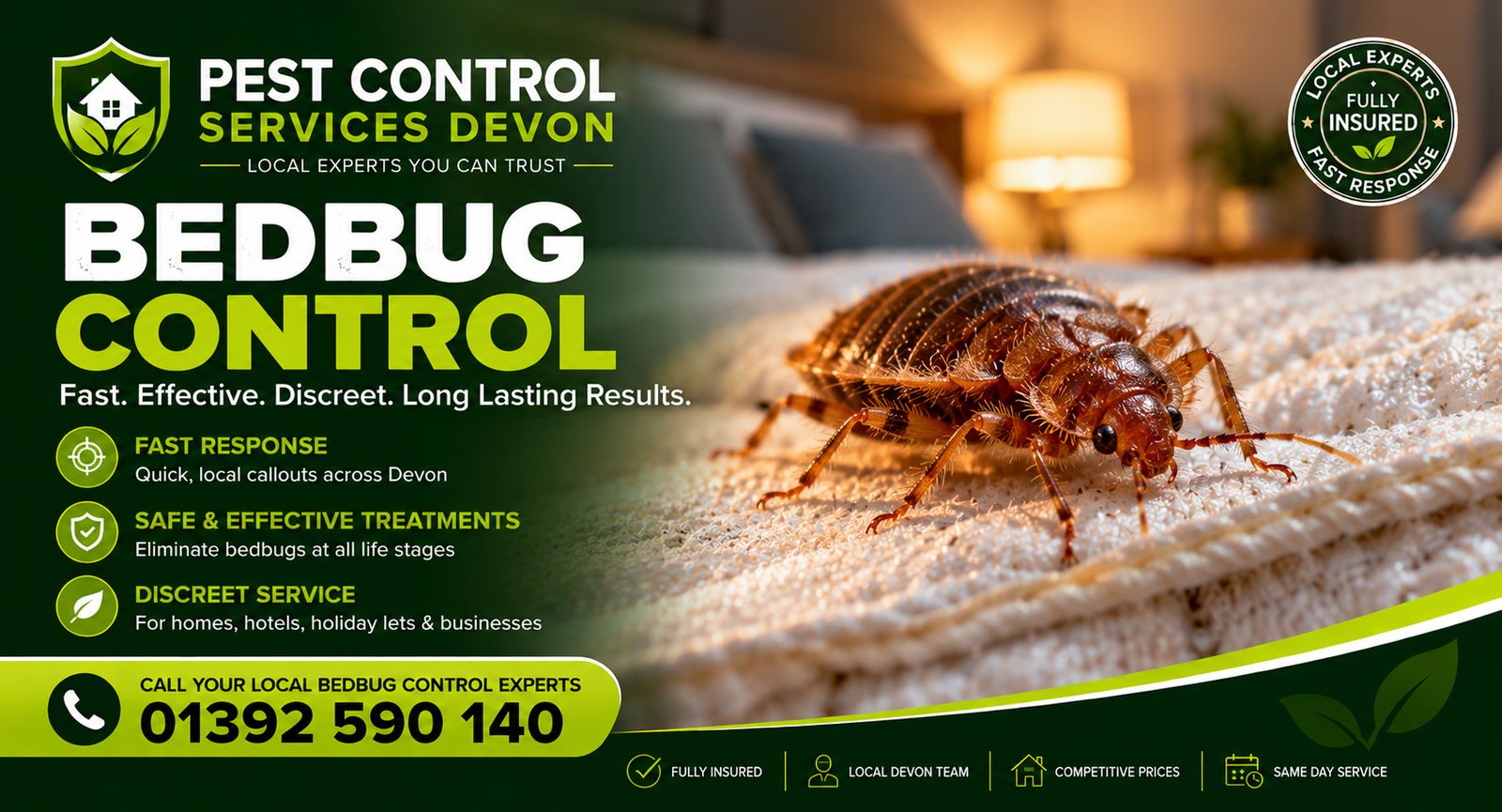
Bed bugs are small, flat insects that hide close to where people sleep, and knowing the early signs helps you act before they spread through a home.
Bed bugs are small, flat, reddish brown insects roughly the size of an apple pip once they are adult. They feed on the blood of sleeping people, usually at night, and spend the rest of their time hidden in cracks and crevices close to the bed. They cannot fly or jump, but they crawl quickly and travel easily on belongings.
Having bed bugs says nothing about how clean your home is. They are found in spotless houses, hotels and holiday accommodation alike, because they arrive on luggage, clothes and furniture rather than from dirt.
Bites are often the first thing people notice, but they are not a reliable guide on their own. Some people react strongly and others show nothing at all, and the marks can look like those from other insects. Physical evidence in the bedroom is far more telling.
Check the mattress, bed frame and surrounding furniture for the following.
Bed bugs are expert hitchhikers. They climb into suitcases, bags and clothing, and they move into new homes with second-hand beds, sofas and other furniture. Busy places with lots of visitors, such as hotels, hostels and holiday lets, give them plenty of chances to travel.
Once indoors, they can move between rooms along pipes, wiring and cracks in walls, and between neighbouring flats. This is why a small problem can quickly become a bigger one, particularly in terraced housing and converted buildings.
Start by confirming what you are dealing with. Strip the bed carefully and check the seams, piping and underside of the mattress with a torch. Take a clear photo of anything suspicious, as it helps us identify it.
To limit spread, wash bedding and clothing on a hot wash and dry on a hot setting, since heat kills bed bugs at every stage. Place items in sealed bags before carrying them through the house, and vacuum the bed area, emptying the contents into a sealed bag outdoors.
Do not buy sprays, foggers or powders from a shop and use them around the bed. Bed bugs hide deep in cracks that these products rarely reach, and scattering them can drive the bugs further into the house. Chemicals used carelessly near where you sleep also carry risks for children and pets.
Avoid throwing away a mattress or furniture in a hurry. Left on the pavement or carried through the house, it can spread bugs, and it will not solve the problem if they are already in the walls and floor. Tell us before you dispose of anything.
Bed bugs are very difficult to remove without professional help. If you find live bugs, fresh blood spots or repeated bites, it is time to call us. We confirm the species, find every hiding place and plan a treatment that suits your property, which usually involves more than one visit to deal with eggs as they hatch.
If you run a guest house or holiday let, speak to us at the first sign. Acting quickly protects your guests, limits any disruption to bookings and reduces the chance of bugs travelling home with a visitor.
You cannot make a home immune, but a few habits lower the risk. When you travel, keep suitcases off the bed and floor, check the headboard and mattress seams on arrival, and wash clothes on a hot setting when you return home.
Inspect second-hand furniture carefully before it enters your house, and avoid taking in beds or sofas whose history you do not know. A tidy bedroom with fewer hiding places and a mattress cover that has no gaps makes regular checks much easier.
No. Reactions vary widely from person to person. Some people develop itchy red marks within a day, while others show nothing for days or never react. Because of this, bites alone cannot confirm bed bugs. Finding bugs, shed skins or dark spots on the bed is a far more dependable sign.
They prefer to hide close to where people sleep, so beds and bedside furniture are the main places. However, in heavier infestations they can spread to sofas, skirting boards, behind wallpaper and into nearby rooms. A professional check covers all of these.
Bed bugs are a nuisance rather than a known cause of serious illness. Their bites can itch, and scratching can lead to infection, while the stress and lost sleep are often the biggest effect. They still need proper treatment as they will not go away alone.
Hot washing and hot drying will kill bed bugs on bedding and clothes, which is a useful first step. It does not deal with those hiding in the mattress, furniture, cracks and walls. For that you will need a professional treatment.
If you would like a professional to look at the problem, call us on 01392 590 140 or send an enquiry.
Holiday lets and guest houses are exposed to bed bugs because visitors bring luggage from everywhere, so early checks and a calm response protect both guests and bookings.
Read the guide →Pests follow the seasons, and knowing what to expect in each part of the year helps Devon householders spot problems early and act at the right time.
Read the guide →Call us, message us on WhatsApp or send an enquiry. We will agree the price with you before any work starts.